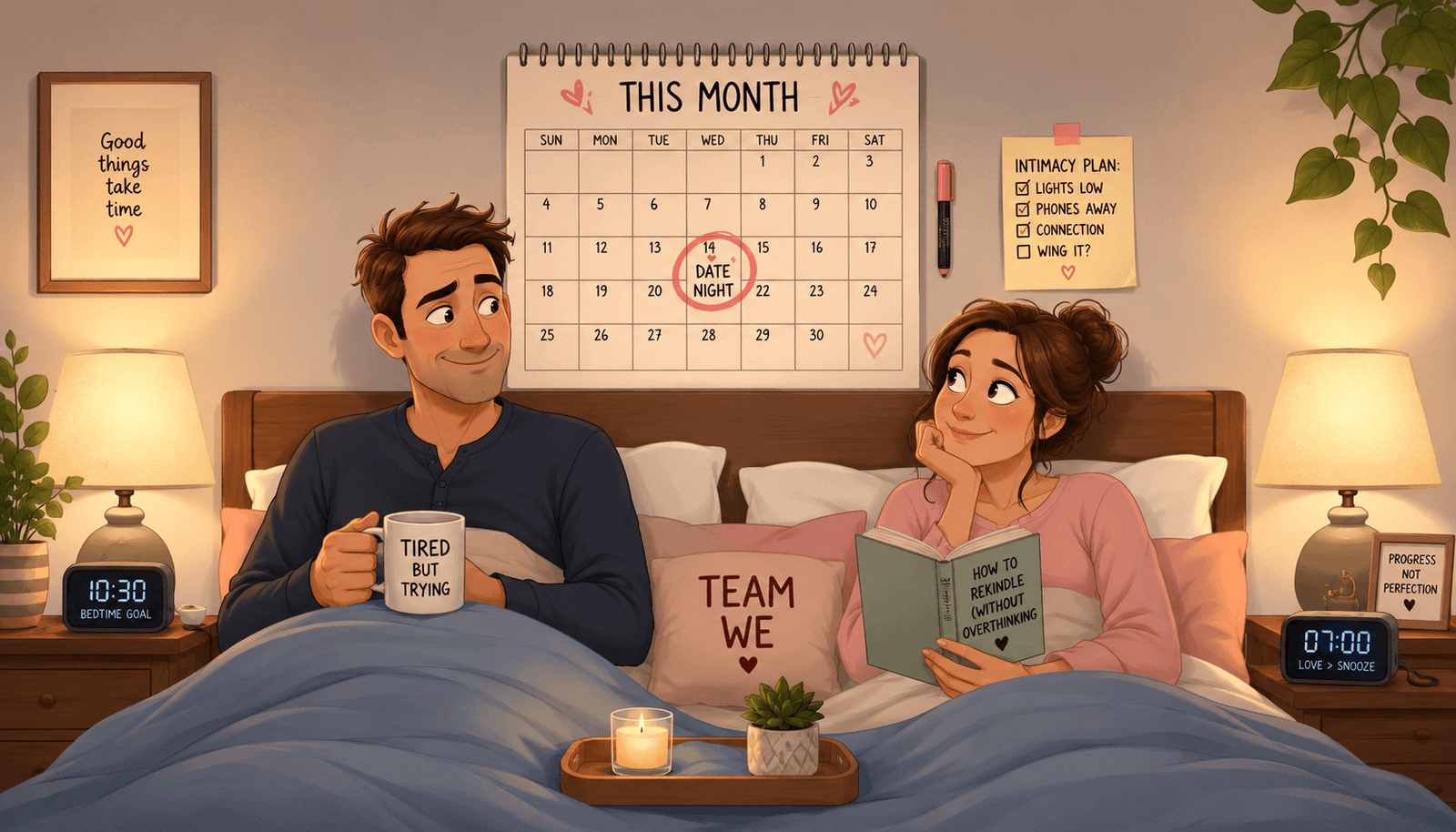
A fictionalized marital farce.
John told Jane he had a meeting at headquarters. Jane told John she had an appointment that would take most of the afternoon. Both delivered the news with the sober expressions of people whose calendars deserved respect.
John went to the beach bar. Jane went to the spa beside it, then decided she would like a drink before heading home.
This is how two adults who shared a kitchen ended up staring at each other across a table of fish tacos, each apparently attending a very unusual meeting.
“Headquarters?” Jane asked.
“Expanding,” John said.
She sat down. For a moment they enjoyed the absurdity. Then came the less entertaining question: why had neither felt able to say, “I’d like an afternoon to myself”?
John had assumed Jane would be hurt. Jane had assumed John would want to join her. Neither had checked. They had both chosen an unnecessary lie over a conversation they had already imagined going badly.
The tacos remained good. The discovery remained funny. It did not make the lying a useful technique.
They agreed that time alone could be requested plainly, without a fictional employer authorizing it. Jane still wanted afternoons at the spa. John still wanted to sit by the water and make no decisions more demanding than what to order.
They finished that afternoon together because they wanted to. The following week, each took a separate break.
Headquarters, meanwhile, continued to offer excellent tacos and no career development whatsoever.