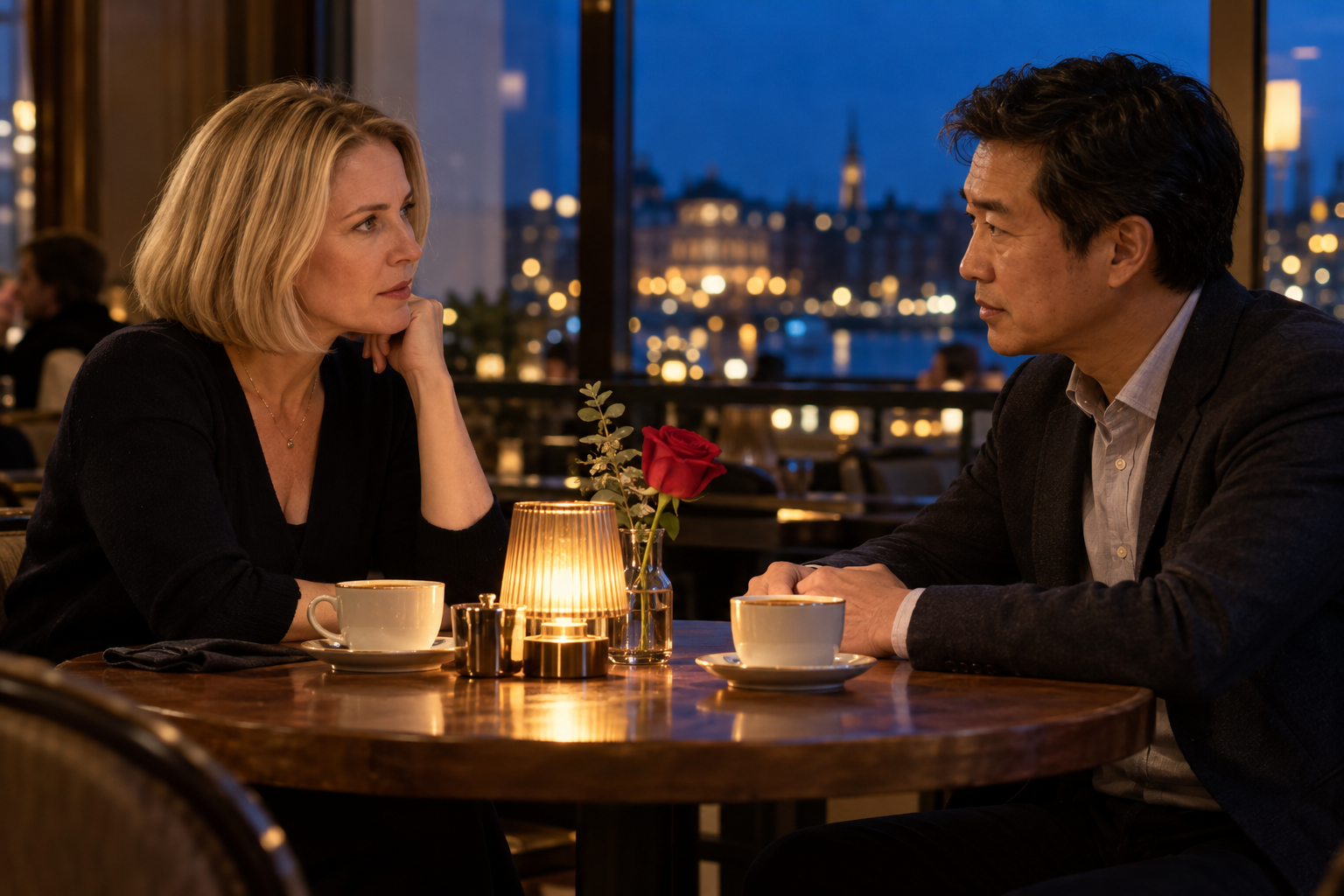
A fictionalized account of dishonesty and a possible sexual-health exposure.
He had said that his existing relationship was effectively over. Separate beds, no intimacy, only practical arrangements left to untangle. I accepted that explanation, but I still asked for honesty about other partners and for protection.
On Valentine’s Day, he told me that he had also been involved with an old girlfriend—and that his supposedly non-intimate relationship had included sex after all. The information changed what I understood about my own exposure to risk.
I did not have a diagnosis. The original shock was a disclosure about his behavior, not a confirmed infection. Those are different things, even when fear makes them feel inseparable.
I contacted a sexual-health service, explained what I had been told, and asked about appropriate testing and timing. That was a conversation for a clinician, not a conclusion I could reach from his assurances or my anxiety.
Then there was the relationship itself. He had withheld information I had explicitly asked for. Whether a test eventually found an infection would not decide whether that omission mattered.
I also wondered what his other partner knew. I could not assume she had agreed to this arrangement simply because he had described it that way. Any conversation with her would need to distinguish what I knew firsthand from what he had told me.
The date made the disclosure especially bitter. But the problem was not a ruined celebration, and illness would not be a punchline or a punishment. The problem was that he had let me make intimate decisions using a version of his life that was not true.

