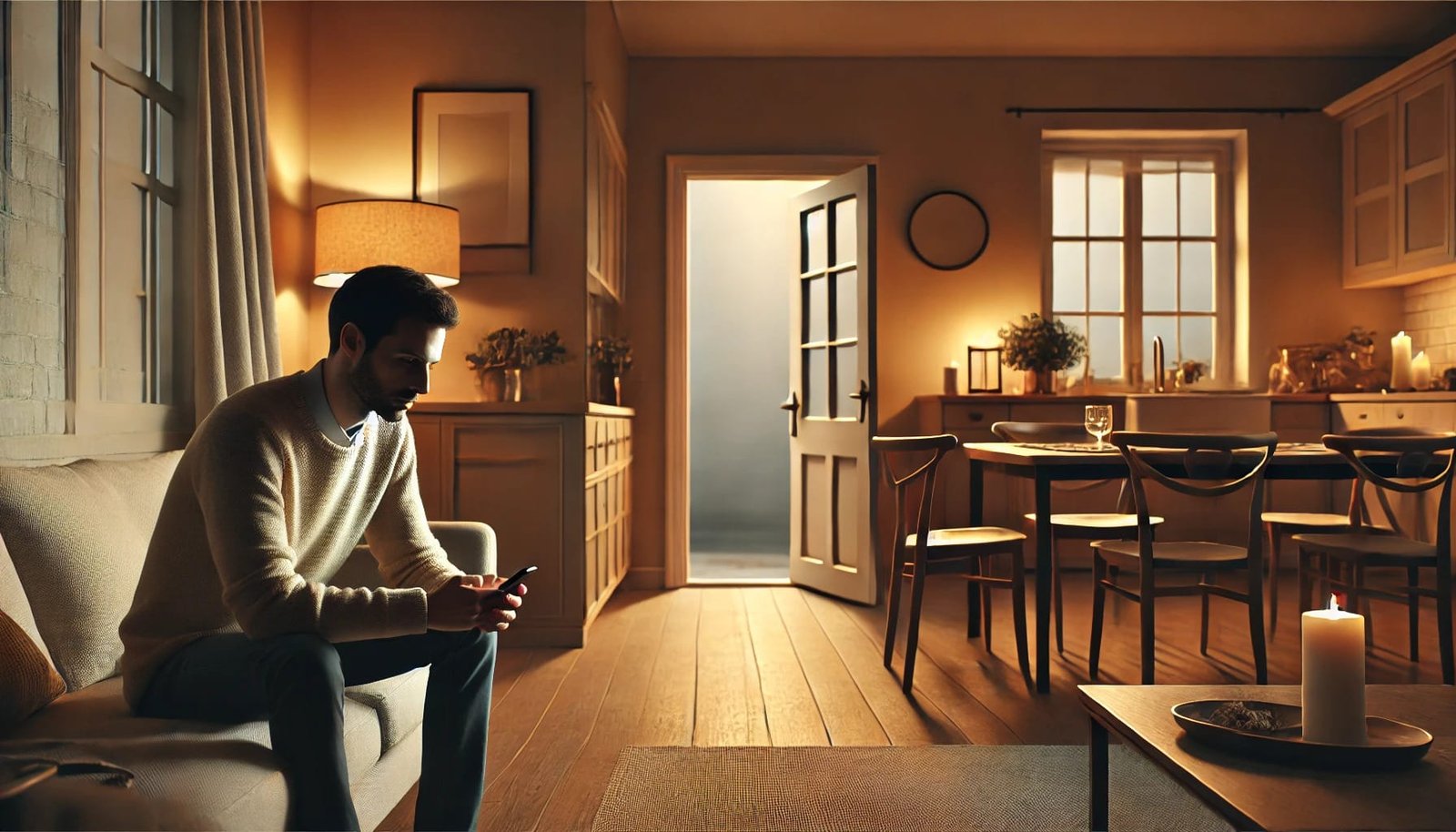
A fictional confession about crossing a privacy boundary.
I am 29, and my living-room window faces the apartment of a woman around my age. At first, I occasionally noticed movement across the courtyard. Then I began looking deliberately.
I learned when she made coffee and when she usually came home. I started arranging my evenings around the view. I called it curiosity because that sounded less troubling than describing what I was actually doing.
She had not invited me into her life. An open curtain was not an invitation either. What she wore at home had nothing to do with my responsibility to stop watching her.
The embarrassing part was how ordinary most of it was. Someone making a snack. Someone reading. I was turning another person’s uneventful evening into entertainment because I had stopped making much of my own.
Loneliness helped explain the habit. It did not excuse it, and it did not turn the information I had collected into a connection between us.
I moved my chair, closed my own blinds, and stopped checking the window. I also made plans that took me away from the apartment. If I found myself unable to stop, getting professional help would be more useful than inventing another harmless-sounding explanation.
I considered introducing myself, then recognized the story I was trying to tell: perhaps this could become the charming beginning of something. It could not repair the privacy I had already taken. She did not owe me a conversation that would make me feel better about it.
The change was simple to describe and required doing repeatedly: when I felt the urge to look, I turned back to my own life.