A fictionalized domestic essay.
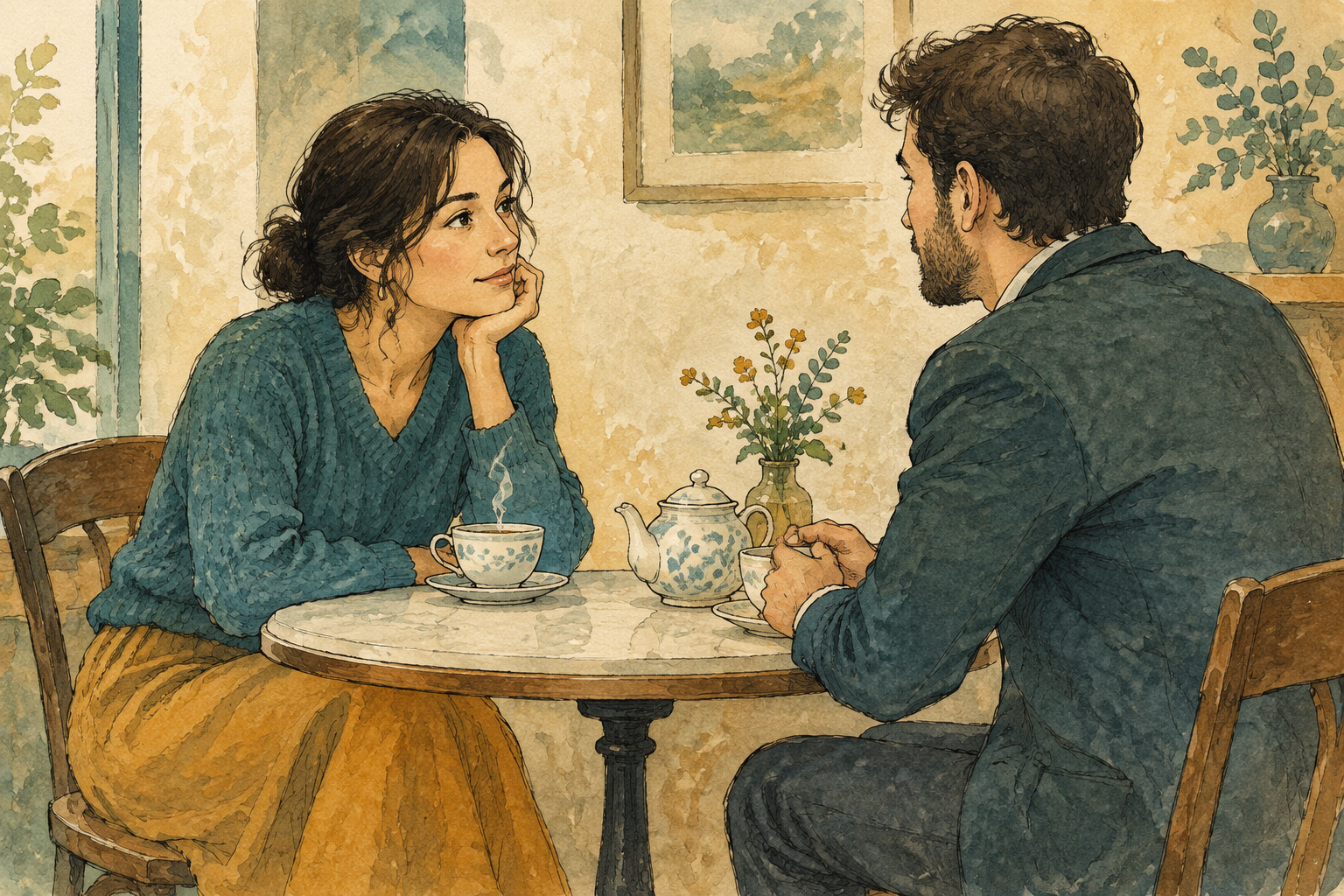
“You have that look,” Jake said across the dinner table.
For years, I would have said “What look?” and waited for him to discover the answer. On this occasion, the answer was the overflowing trash. It was not an especially mysterious case, but we had both become skilled at prolonging it.
“I thought you were taking that out,” I said.
“I forgot.”
He got up. The conversation lasted less time than one of our old silences.
I would like to present this as the secret to a happy marriage. Mostly, it was the discovery that being understood sometimes requires providing the information. Jake could know me well without knowing which of six unfinished tasks was currently irritating me.
We had learned other small things too. A movie evening worked better when neither of us spent it answering messages. A difficult workday needed listening before suggestions. Moving to a new city had required both practical help and room to admit we were lonely, without pretending the decision had been a mistake.
None of this made us permanently wise. We still repeated ourselves and occasionally offered solutions to questions nobody had asked. But we had become less interested in winning the unspoken argument and more interested in making the day easier to share.
Jake returned to the table. Dinner was cooling. We talked about something else.
It was a very ordinary improvement. That was part of its appeal: we did not need a revelation every evening. Sometimes we needed a clear sentence and somebody willing to take the trash out.